 BRIDGE AFRICATOURS • TANZANIABRIDGE AFRICATOURS • TANZANIABRIDGE AFRICATOURS • TANZANIA
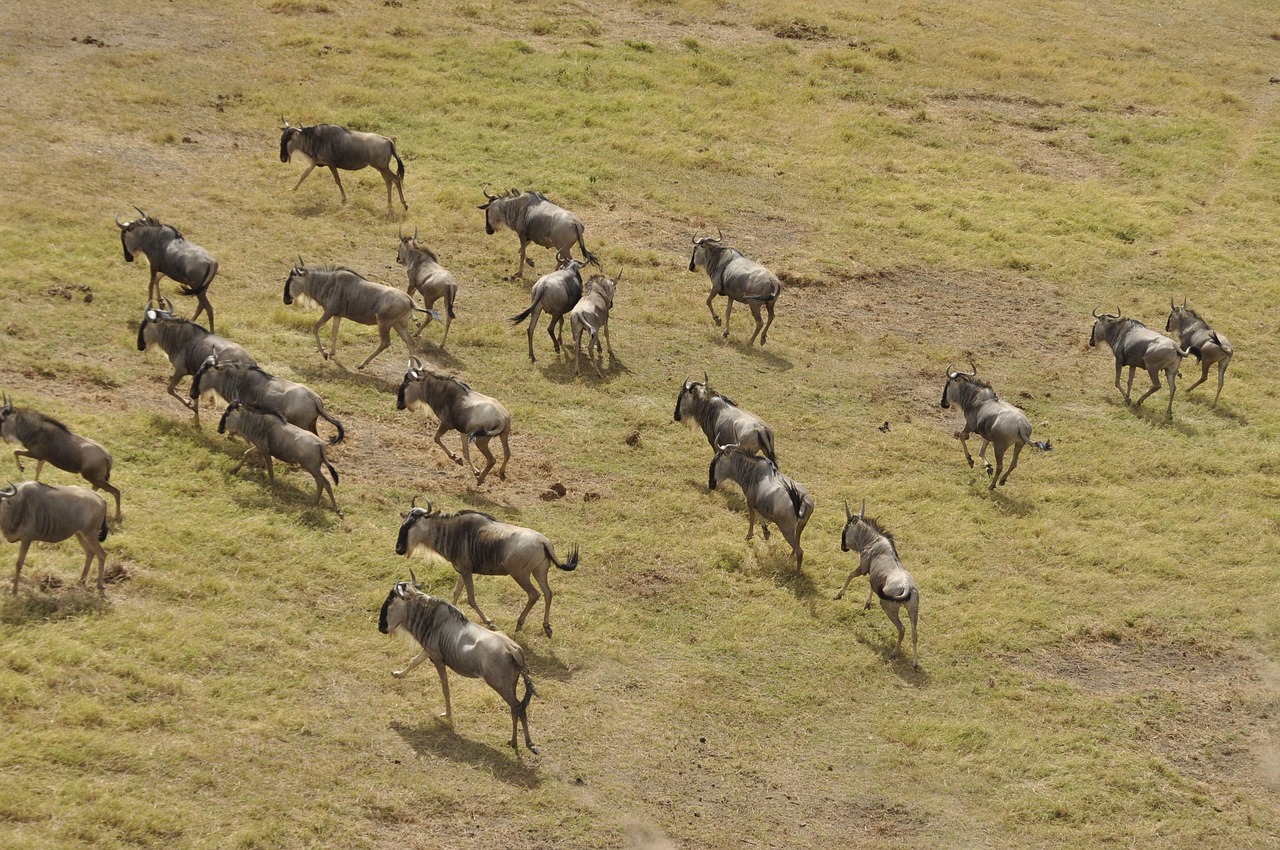
Serengeti National Park, located in northern Tanzania, is one of the most iconic and celebrated wildlife destinations in the world. Known for its vast savannahs, rolling plains, and the legendary Great Migration, the park spans over 14,750 square kilometers, offering unparalleled wildlife experiences and breathtaking landscapes. It is home to the Big Five – lion, leopard, elephant, buffalo, and rhino – along with cheetahs, hyenas, giraffes, zebras, wildebeests, and over 500 bird species. Serengeti is not only a paradise for wildlife enthusiasts but also a hub for photographers, nature lovers, and adventurous travelers.
Serengeti’s name is derived from the Maasai word “Siringitu,” meaning endless plains. The park was established in 1951 as Tanzania’s first national park and is now part of the Serengeti-Mara ecosystem, which spans into Kenya’s Maasai Mara. This ecosystem is renowned globally for the annual migration of millions of wildebeest, zebras, and gazelles, a natural spectacle that attracts thousands of visitors every year. The park’s protection has been crucial for conserving endangered species and maintaining the balance of one of Africa’s most important ecological zones.
Serengeti National Park features a diverse range of landscapes. The central Serengeti is characterized by vast open plains, ideal for spotting large herds of animals. The northern region includes kopjes – granite outcrops that provide shelter for lions and leopards – while the southern Serengeti is home to the famous southern migration routes. Western Serengeti features woodlands, hills, and riverine forests, offering a different ecosystem and excellent birdwatching opportunities. Several rivers, including Grumeti and Mara, flow through the park, creating vital watering holes for wildlife. The varied terrain ensures that each region offers unique game viewing experiences.
Serengeti is globally famous for its rich wildlife diversity. Visitors can expect to see:
The Serengeti ecosystem provides an opportunity to witness predator-prey interactions, social behavior of animals, and unique wildlife adaptations. Game drives are organized to maximize encounters while maintaining safe distances and respecting wildlife habitats.
One of the most celebrated phenomena in the Serengeti is the annual Great Migration. Millions of wildebeest, accompanied by zebras and gazelles, traverse the plains in search of fresh grazing pastures. This movement follows a circular pattern, crossing rivers and plains and encountering predators along the way. Key highlights include:
Serengeti National Park offers a wide range of accommodations, from luxury lodges to mid-range camps and budget-friendly tented options:
Choosing the right accommodation depends on the visitor’s preferences, budget, and desired safari experience. Booking in advance is recommended, especially during peak migration months.
Serengeti offers a variety of safari experiences tailored to different interests:
Serengeti can be visited year-round, but timing depends on wildlife interests:
To make the most of your Serengeti experience, consider the following tips:
The park is accessible via air or road:
Minimum 3–4 days for a meaningful safari experience. Longer stays allow you to explore different regions and witness more wildlife activity.
Yes, depending on the time of year, you can see the migration in the southern, central, or northern Serengeti. Planning is crucial for river crossings.
Yes, ranging from luxury lodges, mid-range tented camps, to budget-friendly options.
Absolutely. The park is accessible, well-organized, and suitable for travelers of all experience levels.
Binoculars, camera, sun protection, insect repellent, comfortable clothing, and a light jacket for early mornings and evenings.
We provide professional trekking, safari, and travel services across Tanzania, ensuring safe and memorable journeys with expert guides and support staff.