
info@bridgeafricatours.com
info@bridgeafricatours.com
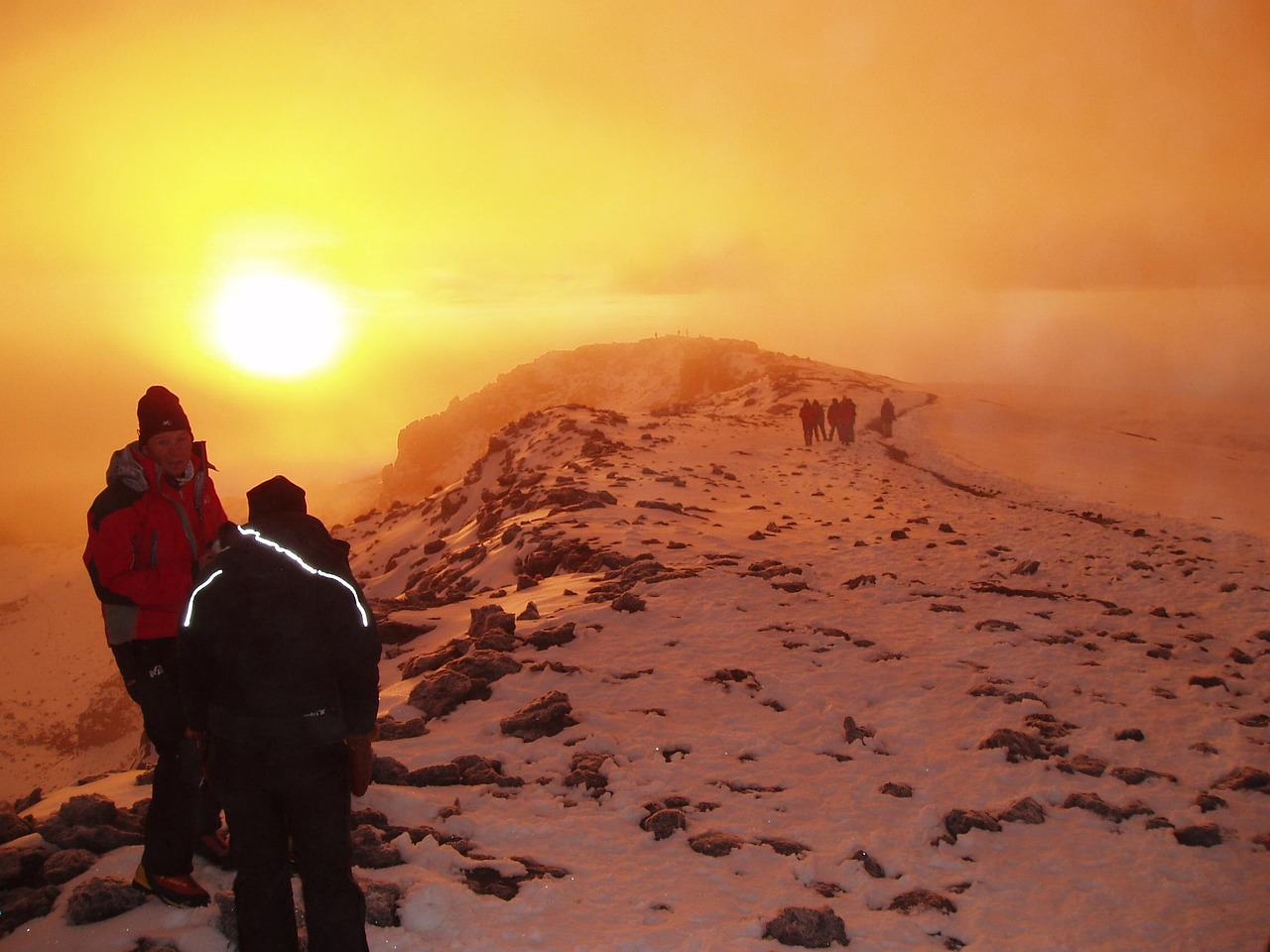
The 6 Days Marangu Route Kilimanjaro Trekking is the classic “Coca-Cola Route” but extended for better acclimatization and higher summit success. Starting from the eastern slopes, this route passes through dense rainforest, heath and moorlands, alpine desert, and glaciers before reaching the summit of Uhuru Peak (5,895m). The additional day compared to the 5-day itinerary allows trekkers to move at a comfortable pace, reducing the risk of altitude sickness and increasing the chances of successfully reaching the summit. The Marangu Route is known for its hut accommodations, making it ideal for climbers seeking **comfort, structure, and a scenic climb**. Over six days, trekkers experience Kilimanjaro’s diverse ecosystems, panoramic vistas, and cultural insights along the trail. This route is perfect for climbers seeking a **well-supported, memorable adventure**.
Begin at Marangu Gate with park registration and orientation. Trek through dense rainforest alive with bird songs, streams, and unique vegetation. The gradual ascent ensures an easy introduction to altitude. Duration: 4–5 hours. Overnight at Mandara Hut, a cozy mountain hut. Enjoy your first dinner, hydrate well, and rest for the next day’s trek. The lush forest surrounding the camp is ideal for short walks and wildlife spotting.
Ascend through the heath and moorland zones with giant lobelias and groundsels. The trail offers panoramic views of Kilimanjaro’s western cliffs and surrounding valleys. Duration: 5–6 hours. Overnight at Horombo Hut, a large hut with comfortable dormitories. Afternoon is spent acclimatizing: short walks, hydration, and enjoying the alpine environment. This step is crucial for preparing for higher altitude days.
Today is dedicated to acclimatization. You can take short hikes around Horombo Hut to nearby ridges, valleys, or to Zebra Rocks for scenic views. Duration: 3–4 hours of light trekking. This extra day allows your body to adjust gradually, which significantly improves summit success and reduces the risk of altitude sickness. Enjoy the stunning alpine desert scenery and take photos of rare flora such as lobelias, senecios, and alpine mosses.
Trek across the alpine desert with minimal vegetation, rocky terrain, and wide-open vistas. Pass the impressive Maundi Crater and view glaciers on the Kibo Peak. Duration: 5–6 hours. Arrive at Kibo Hut, the final base before summit night. Afternoon is spent resting, eating, and checking equipment for the midnight ascent. Hydration, warm clothing, and mental preparation are essential for the upcoming challenge.
Start the summit attempt around midnight, trekking in darkness with headlamps. Climb through the rocky scree slopes to reach Gilman’s Point on the crater rim at sunrise. Continue to Uhuru Peak – the Roof of Africa – for the summit experience. Celebrate with photographs and enjoy the breathtaking glacial landscapes. Descend carefully back to Horombo Hut for overnight rest. Duration: 12–14 hours. The descent is challenging on knees but allows reflection on the achievement and the incredible panoramic views.
Final descent through heath, moorland, and rainforest back to Marangu Gate. Collect your summit certificate and bid farewell to your trekking team. Duration: 5–6 hours. This gentle descent ensures muscle recovery and a smooth end to your 6-day adventure. Transport will take you to your lodge or hotel, marking the completion of a well-paced, memorable Kilimanjaro climb.
It offers the perfect balance between a classic route and adequate acclimatization, maximizing summit success while providing comfort and a structured itinerary.
Moderately challenging. The extra acclimatization day reduces altitude sickness risk, making it suitable for beginners and moderately fit trekkers.
Yes. Professional guides, porters, meals, hut accommodations, park fees, and summit certificates are included.
January–March and June–October. These months provide clear skies, dry conditions, and the best summit success rates.
Day 1: 4–5 hours, Day 2: 5–6 hours, Day 3: 3–4 hours acclimatization, Day 4: 5–6 hours, Day 5: 12–14 hours summit, Day 6: 5–6 hours descent.
We provide professional trekking, safari, and travel services across Tanzania, ensuring safe and memorable journeys with expert guides and support staff.